The best blenders for tube feeding are high-power countertop blenders that can turn cooked food into a completely smooth, uniform liquid that will not clog a feeding tube. Hospital and dietitian guides most often name Vitamix and Blendtec, with Ninja as a lower-cost option. Our top pick is the Vitamix 5200; the Vitamix Explorian E310 is the better value, and the Blendtec Classic 575 is a strong alternative with timed cycles.
Medical note: this guide is about choosing kitchen equipment, not medical advice. Blenderized tube feeding should only be started or changed with guidance from the person’s doctor and a registered dietitian, who can confirm it suits the tube size, placement and nutritional needs. How we chose: these blenders for tube feeding picks are based on published hospital and dietitian guidance, manufacturer specifications and verified owner feedback. We have not tested these products hands-on. Read about our method.
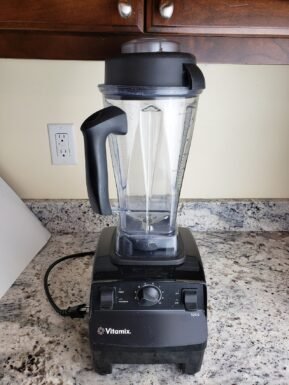
Blenders for Tube Feeding Compared
| Model | Power | Container | Controls | Warranty | Best for |
|---|---|---|---|---|---|
| Vitamix 5200 | About 1,380 W (2 peak HP) | 64 oz | Variable speed dial + High/Low switch | 7 years | Best overall |
| Vitamix Explorian E310 | About 1,380 W (2 peak HP) | 48 oz | 10 speeds + pulse | 5 years | Best value high-power |
| Blendtec Classic 575 | 1,560 W | 90 oz WildSide+ jar | 5 speeds + pulse, 4 timed cycles | 8 years (household use) | Hands-free timed blends |
| Ninja Professional Plus BN701 | 1,400 peak W | 72 oz | 3 Auto-iQ presets + manual | Check listing | Lowest cost |
What Makes a Good Blender for Tube Feeding?
The goal is a blend with no chunks, seeds, skins or fibers that could block the tube. Alberta Health Services’ caregiver handbook for home blended food suggests a high-power blender of roughly 1,100 to 1,500 watts or more, and names Blendtec, Vitamix and Nutri Ninja among the blenders many parents like. Children’s Mercy Kansas City likewise lists a high-powered blender such as Vitamix, Blendtec or Ninja among the things a family needs for a blended diet.
- Power: enough to fully liquefy meat, grains, leafy greens and fibrous vegetables.
- Container shape: a jar that creates a strong vortex so nothing sits above the blades.
- Durability: blending several times a day for several minutes is hard on motors; long warranties matter.
- Easy, thorough cleaning: food safety is critical, so sealed bases and simple jars help.
Even with a strong blender, many guides recommend straining the blend through a fine mesh strainer for an extra margin of safety, especially for smaller tubes.
The 4 Best Blenders for Tube Feeding
1. Vitamix 5200: Best Overall
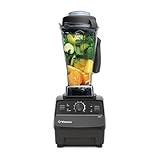

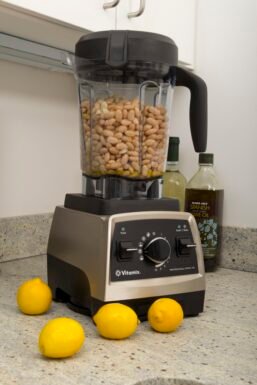
The 5200 is Vitamix’s long-running classic: a 2 peak horsepower motor, a tall 64 oz container, a variable speed dial and a 7-year warranty. Because it is fully manual, you can start slowly and ramp up to full speed, which helps pull thick blends down into the blades. Its tall, narrow jar creates a strong vortex, and the included tamper pushes thick mixtures through.
Vitamix blenders are among the models most often named in clinical BTF guidance, and Vitamix has run a medical-needs discount program in the past; it is worth contacting Vitamix to ask about current eligibility. The trade-offs are height (the 64 oz jar may not fit under upper cabinets), noise, and a high price.
- Good for: daily, multi-meal blending and family-size batches.
- Not for: very small kitchens with low cabinets.
2. Vitamix Explorian E310: Best Value High-Power Blender

The E310 uses a 2 peak horsepower motor with 10 speeds plus pulse and a shorter 48 oz container, with a 5-year warranty. Reviewers comparing it with the 5200 find blend quality very similar; the main differences are the smaller jar and shorter warranty. The smaller jar is actually an advantage for small single-serving batches, because the blades stay covered.
- Good for: one person’s meals, smaller batches, lower budgets.
- Not for: making a full day of feeds for several people at once.
3. Blendtec Classic 575: Best for Hands-Free Timed Blends

The Classic 575 has a 1,560 W motor, five speeds plus pulse and four preprogrammed cycles (Smoothie, Clean, 60-second and 90-second), and Blendtec backs it with an 8-year warranty for household use. The timed cycles are useful for BTF because they blend for a consistent time and stop automatically, so you can prepare other food in the meantime.
Blendtec’s wide WildSide+ jar has no tamper, so very thick blends may need more liquid or a pause to scrape down. The low-profile base fits under most cabinets. Blendtec states the warranty is voided by commercial use.
- Good for: caregivers who want repeatable, hands-free blends.
- Not for: very thick blends without adding liquid.
4. Ninja Professional Plus BN701: Best Budget Option
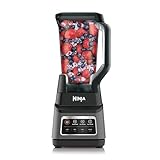
Ninja’s Professional Plus has a 1,400 peak-watt motor, a 72 oz pitcher and three Auto-iQ presets. It falls within the power range Alberta Health Services suggests and costs far less than Vitamix or Blendtec. Ninja’s stacked-blade design is excellent at crushing, but some owners find it leaves small particles in fibrous blends, so plan to blend longer and strain carefully.
Warranty terms for Ninja blenders are much shorter than Vitamix or Blendtec, so check the listing. It is a reasonable way to try a blended diet before investing in a premium machine.
- Good for: trying BTF on a budget, occasional blended meals.
- Not for: heavy daily use where long-term durability matters most.
How to Choose a Blender for Tube Feeding
Match the blender to the tube
Ask the care team about the tube size and type. Larger-bore gastrostomy tubes generally tolerate thicker blends; small tubes need very thin, carefully strained blends. Clinical guides for BTF often discuss tube size as a key factor before starting.
Power and run time
More power liquefies food faster. With a lower-power blender, blending longer can help, but it also heats the blend and works the motor harder.
Container size
Pick a jar that suits your batch size. A large jar with a small batch leaves the blades exposed; a 48 oz jar is easier for single meals, a 64 oz or larger jar suits a whole day’s feeds.
Warranty and cost help
Since a BTF blender may run several times a day, a 5 to 8 year warranty is valuable. Children’s Mercy notes that scholarship or grant programs may help some families pay for a blender, and some manufacturers have offered medical discounts, so ask your care team.
Cleaning and food safety
Clean the jar right after each use, keep blends refrigerated, and follow the storage times your dietitian gives you. If you also want a blender for everyday drinks, see our best blenders for protein shakes and best quiet blenders for smoothies.
Frequently Asked Questions
Can I use a regular blender for tube feeding?
Some people do, but most hospital guides recommend a high-power blender because regular blenders often leave particles that can clog the tube. If you use a lower-power blender, blend longer and strain thoroughly, and ask your dietitian first.
Is Vitamix or Blendtec better for blenderized diets?
Both are widely recommended and give similar results. Vitamix uses a tamper and variable speed dial; Blendtec relies on a wide jar and timed cycles. Choose based on jar size, cabinet height and whether you prefer manual or programmed control.
Do I still need to strain the blend?
Often yes, especially for smaller tubes or recipes with seeds, skins or fibrous vegetables. A fine mesh strainer adds a margin of safety.
Is a NutriBullet powerful enough?
Some families use personal blenders like NutriBullet, and Children’s Mercy lists it among possible options. Its small cups limit batch size, so it suits occasional single portions more than a full day of feeds.
Should I talk to a dietitian before starting?
Yes. A registered dietitian can make sure the blend meets nutritional needs and is safe for the specific tube and medical condition.
Verdict
For most households preparing blended tube feeds, the Vitamix 5200 is our top pick among blenders for tube feeding: powerful, simple to control and backed by a 7-year warranty. The Vitamix Explorian E310 delivers similar blends for less, the Blendtec Classic 575 suits caregivers who want timed, hands-free cycles, and the Ninja Professional Plus is a budget way to start. Whatever you choose, work with your care team and strain the blend when in doubt.